CES 2026 Unveils the Real Shift: From Agentic to Physical AI, Powered by Nvidia
Author: Rui Wang, CTO at AgentWeb
What’s Changing at CES 2026? The Real AI Transformation
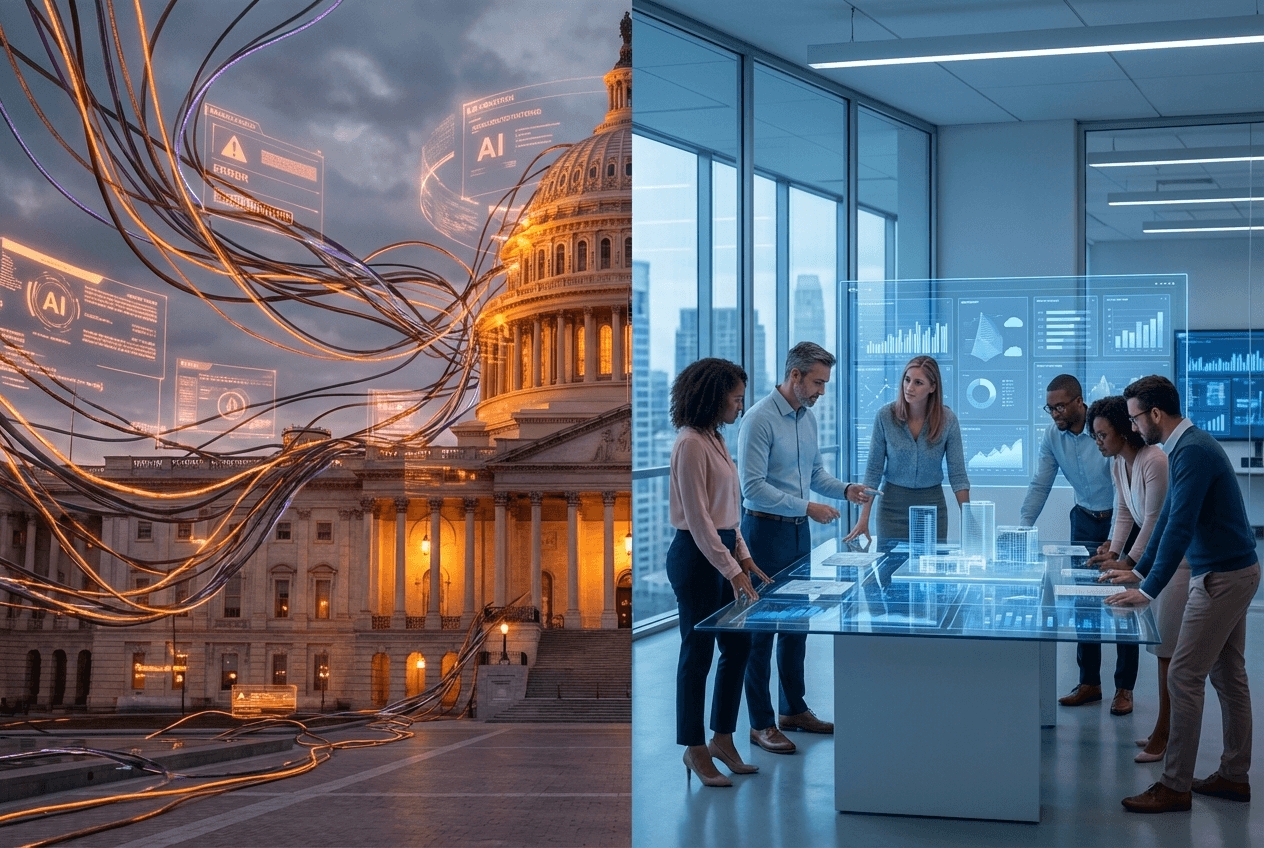
CES 2026 wasn’t just another tech showcase—it was the moment the AI industry pivoted from theory to practical, agentic, and physical AI. Nvidia’s CEO Jensen Huang, in his headline-grabbing keynote (source), didn’t talk about incremental upgrades. Instead, he announced agentic models that act with intent, full-stack platforms ready for deployment, and physical AI that moves from digital boundaries into the real world.
TL;DR: CES 2026, Nvidia, and a New AI Era
- Agentic AI is here: AI that acts on behalf of users with autonomy.
- Physical AI is breaking out: Robotics, smart devices, and automation leaving the lab and entering homes, factories, and stores.
- Nvidia’s full-stack AI platforms are setting the pace for startups and enterprise.
- Marketing automation, customer experience, and product design will never be the same.
- Actionable insight: Founders need to rethink how AI is embedded in every touchpoint—from automated campaigns to smart storefronts and personalized, on-the-fly assistants.
The Agentic AI Leap: What It Means and Why It Matters
What Is Agentic AI?
Agentic AI refers to systems that don’t just process information or respond to commands—they have a mandate to act, initiate, and optimize goals autonomously. Jensen Huang’s keynote at CES 2026 crystallized this idea: AI is moving from assistive to agentic. In practice, imagine an AI that not only suggests marketing copy but launches and tweaks entire campaigns based on real-time performance.
Example:
- A startup founder sets a broad goal: "Boost engagement with Gen Z for our new app."
- Agentic AI analyzes social trends, chooses channels, crafts content, A/B tests messaging, and shifts budget across platforms to deliver the target engagement—all without founder micromanagement.
Why Is This Different?
Previously, AI-powered automation required constant human prompts, approvals, and oversight. Agentic AI changes this dynamic:
- Proactivity: The AI initiates actions based on goals and context, not just data.
- Continuous optimization: It learns from each outcome, iteratively improving without waiting for manual feedback.
- Scalability: Startups can operate with fewer resources, as the agentic AI handles routine and complex tasks alike.
Physical AI: From Virtual Assistants to Real-World Agents
CES 2026 Physical AI Demos
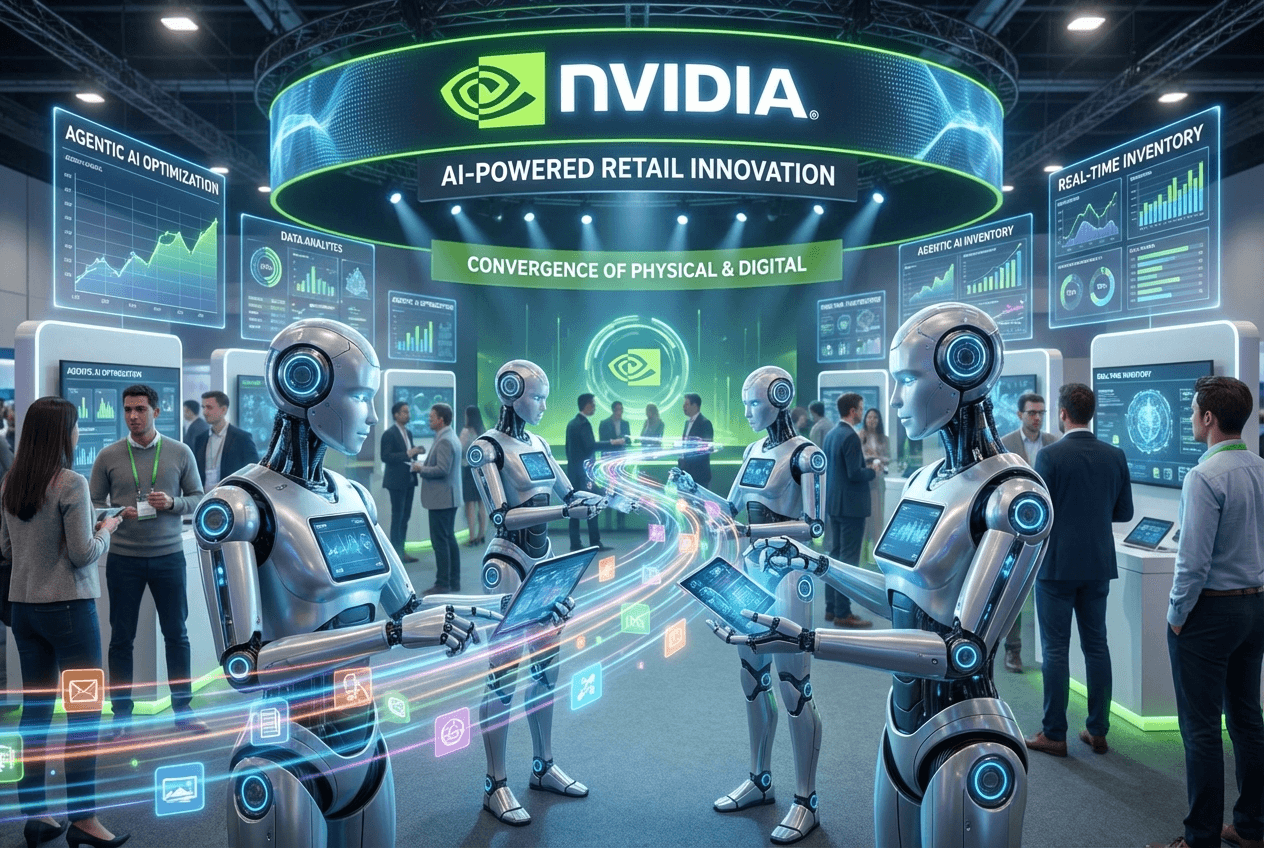
Physical AI broke out of the lab at CES 2026. Nvidia’s full-stack platforms power robots that stock shelves, drones that deliver products, and smart devices that manage homes. The integration of agentic intelligence with physical systems is more than robotics—it’s the convergence of real-world action, sensing, and adaptation.
In Practice:
- Smart retail displays that adjust promotions based on crowds and weather, using computer vision and agentic decisioning.
- Automated warehouse bots that not only follow programmed paths but dynamically reroute themselves to optimize logistics, cut downtime, and adapt to demand spikes.
- Healthcare assistants that monitor patient status and proactively recommend interventions, alerting human staff only when truly needed.
Why Physical AI Is a Game-Changer for Startups
Physical AI isn’t just about big companies with huge R&D budgets. Thanks to platforms like Nvidia’s, startups can deploy off-the-shelf robotics and smart sensors, connect them to agentic models, and automate physical processes without years of engineering.
Actionable Insights for Founders:
- Use full-stack AI platforms to prototype physical services fast—think pop-up delivery bots or interactive product kiosks.
- Integrate agentic AI into customer-facing devices for personalized, responsive experiences (e.g., smart vending or retail checkouts).
- Explore new business models that blend digital and physical: subscription-based robotic services, adaptive storefronts, or automated logistics as a service.
Nvidia’s Full-Stack AI: The Backbone of the New Ecosystem
Nvidia’s CES 2026 keynote didn’t just highlight hardware advances—it announced open, full-stack AI platforms. These make it possible for startups to plug into agentic and physical AI without building everything from scratch.
What Does Full-Stack Mean Here?
- Pre-trained agentic models: Ready to deploy for marketing automation, operational optimization, and smart device management.
- Edge device integration: Connects AI directly to sensors, cameras, and actuators—no cloud latency.
- Real-time analytics: AI that not only acts but reports, visualizes, and suggests next moves.
Nvidia’s platforms lower the barrier for startups, making sophisticated AI accessible at reasonable cost and complexity.
Practical example:
A DTC e-commerce brand uses Nvidia’s stack to launch smart pop-up stores. Each location uses computer vision to gauge foot traffic, agentic AI to optimize product placement, and physical AI bots to restock shelves and interact with customers. Marketing automation platforms plug into this system, adapting ad spend and creative dynamically by store performance.
Marketing Automation in the Era of Agentic and Physical AI
How CES 2026 Changes the Automation Game
Marketing automation platforms have always promised scale and efficiency. But with agentic and physical AI, they evolve from rule-based responders to proactive, full-cycle marketing engines.
- Campaigns as living systems: Instead of static drip campaigns, AI agents generate, launch, and optimize outreach across email, social, and in-person events.
- Physical triggers: Retail sensors and devices fuel real-time, location-based offers and product suggestions.
- 360-degree personalization: AI integrates data from physical interactions, online behavior, and external trends, making marketing precision possible for small teams.
Founders should:
- Audit current automation flows—identify where agentic AI can add autonomy (e.g., budget allocation, creative testing).
- Experiment with physical AI in customer experiences—try smart kiosks, AR-enabled displays, or on-demand robotic fulfillment.
- Partner with platform providers (like Nvidia) to access pre-trained models and device integrations.
- Focus on actionable metrics—track how agentic and physical AI impact engagement, conversion, and retention, not just cost savings.
Action Steps for Startup Founders
How to Ride the Agentic and Physical AI Wave
- Rethink Team Structure: As agentic AI takes over repetitive tasks, invest in strategic roles—AI trainers, data analysts, and customer experience designers.
- Prototype Quickly: Use full-stack platforms to build and test agentic or physical AI-driven services. Speed matters—CES 2026 shows big players are moving fast.
- Embrace Real-World Testing: Move beyond digital-only—deploy AI in physical settings (pop-ups, events, small stores) to learn what customers really want.
- Prioritize Trust and Transparency: With more autonomy and physical presence, AI must earn customer trust. Communicate clearly about how AI is used and how data is protected.
- Stay Informed: CES is a preview, but the real action happens in six-month cycles. Keep tabs on Nvidia, agentic AI research, and physical AI startups to avoid being left behind.
Credibility Signals: Why Trust This Perspective?
- Direct source: Insights from Nvidia CEO Jensen Huang’s CES 2026 keynote (see full coverage here).
- Author expertise: Rui Wang, CTO at AgentWeb, works hands-on with agentic and physical AI deployments in startup settings.
- Practical approach: This article translates news and keynote trends into actionable ideas for founders—not just speculation.
Looking Ahead: The CES 2026 Legacy
The shift unveiled at CES 2026 isn’t hype—it’s a practical roadmap for startups. Founders who embrace agentic and physical AI will outpace competitors, offering smarter automation, personalized experiences, and innovative services nobody expects. Nvidia’s platforms make these capabilities accessible, but it takes vision and speed to seize the opportunity.
This is the year when AI stops being just software and starts acting—with intent, in the real world, for actual business outcomes. The smartest founders are already building on these signals. Will you?
Book a call with Harsha if you would like to work with AgentWeb.