Freshworks’ $800M AI Acquisition Push: The Next Wave of SaaS Innovation
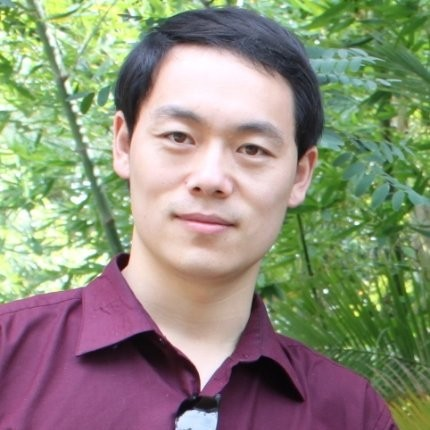
By Rui Wang, CTO, AgentWeb
Freshworks’ $800M AI Acquisition Push — What It Means for SaaS Innovation
The SaaS Landscape Is Shifting — Fast
Software-as-a-Service (SaaS) is evolving at breakneck speed, driven by the relentless surge of artificial intelligence. Industry giants and nimble startups alike are competing to embed smarter, more personalized tools into their platforms. But few moves signal the next phase of SaaS innovation as dramatically as Freshworks’ $800 million war chest for AI acquisitions (source).
Dennis Woodside, Freshworks CEO, isn’t just talking about AI. He’s actively scouting the market — meeting with over 50 companies in just six months — and closing deals with the likes of FireHydrant and Device42. This isn’t business as usual. It’s a calculated bet on how software will be bought, built, and run in the coming decade.
Why is Freshworks on an AI Buying Spree?
Freshworks has always been known for approachable, scalable SaaS tools — CRM, helpdesk, and IT management — that compete with the likes of Salesforce and ServiceNow. But now, Freshworks is turning its focus squarely to the future:
- AI-native platforms: The rise of startups leveraging AI at their core is shifting what customers expect. Tools now offer predictive insights, automation, and deeply personalized experiences.
- Employee experience: Beyond traditional B2B software, there’s a rapid demand for platforms that make work more frictionless, engaging, and productive — powered by smart automation.
- Revenue growth: AI isn’t just a technical upgrade; it’s a strategic necessity. By acquiring AI startups, Freshworks is betting on differentiated features that drive up-sell, cross-sell, and customer lifetime value.
Let’s break down the specifics.
Inside the $800M Acquisition Push
1. Accelerating Product Roadmaps
Acquiring innovative AI startups isn’t just about buying technology. It’s about supercharging Freshworks’ product roadmap. FireHydrant, for example, specializes in incident management — using automation to help IT teams detect, triage, and resolve issues faster. Device42 brings automated asset discovery and IT infrastructure mapping.
By integrating these tools, Freshworks can:
- Offer more seamless, automated workflows for customers
- Reduce time-to-value for IT and support teams
- Move faster than competitors who rely on slower, organic product development
2. Competing With SaaS Titans
Salesforce and ServiceNow aren’t sitting still. They’re investing heavily in AI and automation, embedding large language models and predictive analytics into their platforms. Freshworks’ approach is different — it’s about acquiring nimble, specialized startups rather than building every feature from scratch.
This M&A-driven strategy allows Freshworks to:
- Plug in best-in-class features quickly
- Stay ahead of enterprise buying trends (where AI-native solutions are increasingly prioritized)
- Demonstrate innovation to the investor market — a crucial edge in the current SaaS climate
3. Targeting AI Startups and Employee Experience Firms
Woodside’s focus isn’t just on generic AI. The acquisition pipeline targets:
- AI startups with proprietary models, automation engines, and domain expertise
- Employee experience software that streamlines onboarding, improves support, and boosts productivity
This isn’t chasing hype. It’s a deliberate move to embed intelligence into core SaaS workflows that matter most to businesses.
SaaS Innovation: How AI Acquisitions Are Changing the Game
Actionable Insights for Startup Founders
If you’re building in SaaS or AI, Freshworks’ strategy offers valuable lessons:
- Specialization Wins: The most attractive acquisition targets aren’t generalists; they solve a specific pain point using AI — like incident automation or device mapping.
- API-first, Integrable Products: Startups with flexible, API-driven architectures are easier to plug into larger SaaS ecosystems. This makes integration post-acquisition far smoother.
- Data Moats: Proprietary data, models, and automation engines are highly valued. If your startup can demonstrate unique results (faster resolution, smarter predictions), you’re in the M&A spotlight.
- User Experience Matters: AI that genuinely improves user experience — not just backend efficiency — is especially hot. Tools that personalize workflows or automate drudgery are in demand.
Freshworks’ moves signal a broader trend: the era of “AI features” is over. The next wave of SaaS innovation is about deeply embedded, workflow-transforming intelligence.
The Bigger Picture: M&A Trends in SaaS and AI
Global M&A volumes surged 39% to $4.3 trillion in 2025. That’s not a coincidence. As cloud adoption matures, the biggest differentiator isn’t the core product, but the AI-powered features that unlock new value.
What’s Driving This M&A Boom?
- Competitive pressure: Incumbents need to keep up with AI-native startups, or risk losing ground.
- Speed to market: Building advanced features in-house takes years. Acquisitions accelerate innovation.
- Cross-platform leverage: Acquired startups often bring not just products, but talent, data, and new customer segments.
Real-World Example: Freshworks vs. Salesforce
Consider the pace:
- Salesforce is investing billions in generative AI, but much of it is still being developed internally. Integrating it across a sprawling suite is complex.
- Freshworks is choosing a “buy and build” approach, plugging in smaller, focused startups with proven solutions. This enables them to leapfrog features and deliver results faster.
How Should AI Startups Position Themselves?
For founders, the M&A landscape is both opportunity and challenge. Here’s how to maximize your visibility and acquisition appeal:
- Focus on clear, quantifiable outcomes. If your AI solution reduces costs, boosts productivity, or improves accuracy, highlight the metrics.
- Demonstrate integration potential. Show how your platform can fit into larger SaaS ecosystems. Open APIs and modular architectures are a plus.
- Build defensible technology. Proprietary models, unique data sets, and patents make your company harder to copy — and more attractive to buyers.
- Don’t neglect user experience. AI that’s invisible or confusing doesn’t inspire confidence. Focus on real-world usability and feedback.
What This Means for SaaS Customers
End users aren’t just getting shiny new features. Freshworks’ acquisition strategy means:
- Faster innovation: New capabilities arrive more rapidly, without waiting for lengthy internal development.
- Integrated workflows: AI features aren’t bolted on; they become core parts of the platform.
- Better support and productivity: Automated tools reduce manual work, speed up response times, and personalize the experience.
Looking Ahead: The Future of SaaS Innovation
Freshworks isn’t alone in its pursuit, but its $800M AI acquisition push is a clear signal: the next wave of SaaS competition will be won by those who can deliver intelligent, adaptive, and deeply integrated experiences.
Key takeaways for founders and innovators:
- AI isn’t just a feature; it’s the foundation for the next generation of SaaS.
- M&A is the fastest path to market differentiation — if you build solutions that solve real problems with intelligence and scale.
- Customers expect more — faster, smarter, and more personalized tools. Startups that deliver this are in the M&A crosshairs.
As global M&A volumes hit new records, Freshworks is showing what bold, innovation-driven strategy looks like. For founders, it’s both a roadmap and a wake-up call: build for impact, focus on real AI differentiation, and position yourself for the next era of SaaS.
AgentWeb’s Perspective: Technical Depth Meets Market Reality
As Rui Wang, Ph.D., CTO of AgentWeb, I see Freshworks’ move as more than financial maneuvering. It’s a technical and strategic alignment with the future of enterprise software. The companies that thrive will not be those that merely layer on AI, but those that weave it into every touchpoint — from onboarding to automation to analytics.
For startup founders, this is the time to double down on technical excellence, user-centric design, and integration readiness. The bar for innovation is rising fast, and the winners will be those who build for scale, agility, and real-world impact.
Or get a free AI Readiness Roadmap to see where your GTM has gaps.
Ex-Google & Microsoft, Ph.D. in security, 1 startup exit. Builds scalable, secure systems and agent infrastructure.
Get a free Stack Review.
30 min with Harsha and Matt.
We audit your last 30 days, pinpoint the highest-impact fixes, and hand you the exact playbook we'd run. No deck. No pitch unless there's a fit.